
Audiovisual and documentation

We turn cultural experience into audiovisual memory.

We conceive records, documentaries and content that preserve trajectories, organize evidence and expand the circulation of cultural projects.

Recording preserves the event.Building a narrative preserves its meaning.

Far beyond documentation

The project ends. Memory can keep circulating.

Presentations, exchanges, festivals and formative processes produce experiences that cannot be fully recovered after they end.

Audiovisual makes it possible to preserve gestures, contexts, testimonies, processes, landscapes, relations and transformations.

When narrative planning exists, the record stops being only raw archive and can become a documentary, editorial content, institutional material, dissemination work or permanent memory.

At JA Produções, audiovisual is conceived in dialogue with the project’s cultural objectives and possible circulation paths.

  1. 01Preserve the event.
  2. 02Organize the narrative.
  3. 03Formalize the work.
  4. 04Expand your circulation.

Audiovisual scope

What can be structured.

Deliverable composition depends on the project, its objectives, available resources and intended channels.

  1. Intention

    Narrative conception

    Definition of what needs to be told, to whom and with what cultural purpose.

    • theme
    • audience
    • language
    • excerpt
    • structure
  2. Base

    Research and development

    Building the narrative and documentary base needed to guide the work.

    • context
    • characters
    • documents
    • venues
    • events
  3. Organization

    Pre-production

    Organization of the conditions that make fundraising viable and coherent with the proposal.

    • script
    • schedule
    • team
    • authorizations
    • logistics
  4. Fundraising

    Capture and documentation

    Record of the different dimensions that make up the cultural experience.

    • performances
    • interviews
    • behind the scenes
    • training
    • ambient sound
  5. Narrative

    Editing and post-production

    Transformation of captured material into a comprehensible and sensitive audiovisual narrative.

    • edition
    • sound
    • soundtrack
    • subtitles
    • finalization
  6. Launch

    Launch materials

    Creation of content suited to dissemination, presentation and circulation of the work.

    • teasers
    • trailers
    • cuts
    • frames
    • synopses
  7. Formalization

    Formalization and licensing

    Organization of the elements needed to insert the work into institutional and audiovisual circuits.

    • documentation
    • certificates
    • authorizations
    • contracts
    • versions
  8. Continuity

    Distribution and memory

    Planning how the work will be accessed, preserved and related to the project’s trajectory.

    • television
    • platforms
    • showcases
    • collections
    • archive

Formats and purposes

Not every record needs to become the same type of content.

Format choice must answer the cultural objective, audience, channel, budget and expected useful life of the material.

  1. Documentary

    Narrative work developed from research, characters, context, events and authorial construction.

  2. Institutional documentation

    Organized documentation of activities, processes, presentations, training and results.

  3. Project memory

    Content aimed at preserving the trajectory, participants, learnings and cultural context.

  4. Distribution content

    Materials prepared to present projects, works and artists to audiences, institutions, press and programmers.

  5. Teasers and trailers

    Entry pieces that spark interest and present the atmosphere, theme and proposal of the main work.

  6. Audiovisual archive

    Organization and preservation of materials produced for future consultation, reports, editions or developments.

Coverage, documentary, teaser and institutional material have different functions. The format should be defined before capture whenever possible.

From experience to work

An audiovisual narrative built in seven movements.

  1. 01

    Understand

    Identification of purpose, cultural context, audience and expected function of the record.

  2. 02

    Search

    Survey of stories, characters, documents, spaces, events and references.

  3. 03

    Plan

    Definition of approach, script, schedule, team, logistics, authorizations and capture plan.

  4. 04

    Record

    Capture of events, interviews, presentations, backstage, landscapes and sounds.

  5. 05

    Build

    Material selection, editing, narrative structure, sound design, subtitles and finishing.

  6. 06

    Formalize

    Organization of documents, authorizations, technical information, records and required versions.

  7. 07

    Distribute and preserve

    Planning of launch, licensing, exhibition, platforms, archive and continuity.

Post-production does not fix the absence of planning.A consistent work begins before the first recording.

Institutional memory

The material produced needs to remain understandable after execution.

Scattered files without identification, authorizations or context can lose much of their value over time. Institutional records need to be organized so that images, interviews, documents and content can be located, understood and used responsibly.

  • Identification

    Dates, venues, activities, participants, projects and context correctly associated with the files.

  • Authorizations

    Organization of image, voice, music, works and other rights involved.

  • Preservation

    Copies, suitable formats, folder organization and archive maintenance.

  • Contextualization

    Information that makes it possible to understand what was recorded and why that material is relevant.

  • Institutional use

    Responsible application in reports, communication, memory, dissemination and new content.

Having files does not mean having an archive.The archive depends on organization, context, rights and preservation.

From finalization to the audiovisual circuit

A completed work still needs to be prepared to circulate.

Entering institutional exhibition environments may require technical information, documents, authorizations, classification, records, presentation materials and versions suited to each channel. Formalization does not replace the artistic quality of the work, but creates conditions for its licensing, presentation and institutional preservation.

  • Work documentation

    Technical sheet, synopsis, duration, year, producer, authorship, participants and other institutional information.

  • Rights and clearances

    Image, voice, music, choreographic works, files, locations and other protected elements.

  • Registration and certification

    Procedures applicable to the work type and the circuit in which it intends to be inserted.

  • Versions and materials

    Final files, subtitles, teasers, frames, photographs, texts and technical specifications.

Procedures vary by work type, public call, platform, channel and territory. Formalization is not automatic and does not guarantee distribution.

Proven track record

Dançando Além das Fronteiras: exchange transformed into a work.

The documentary Dançando Além das Fronteiras — Argentina was conceived to record, preserve and disseminate an international artistic and cultural exchange experience.

The work follows Brazilian and Argentine artists during activities held in Buenos Aires, Bariloche and Lago Puelo, articulating presentations, training, backstage, landscapes and relations built during the project.

More than documenting the trip, the narrative records processes of artistic mobility, intercultural encounter and internationalization of Amazonian dance.

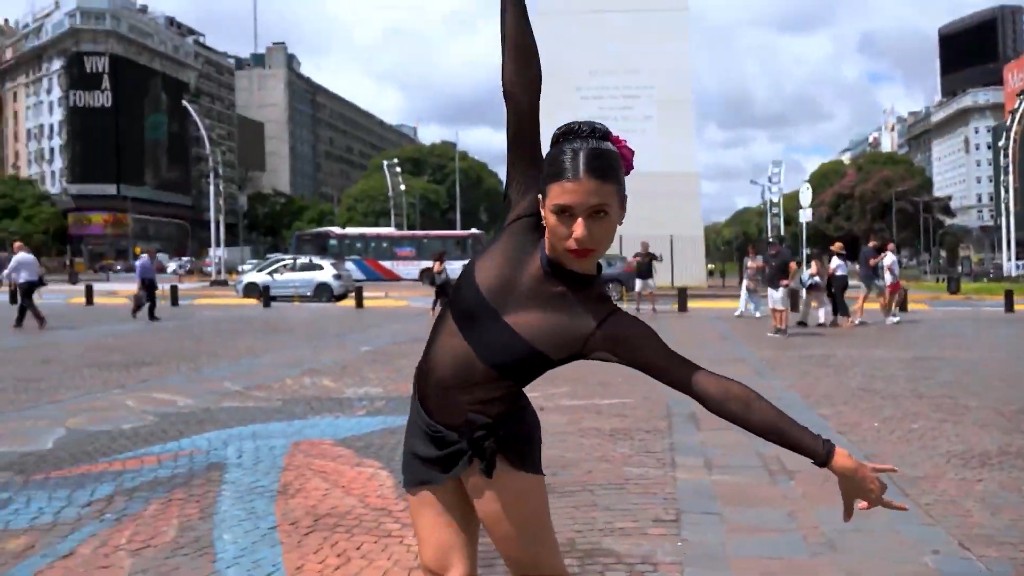
Record of the Dançando Além das Fronteiras project with a ballerina at Obelisco square, in Buenos Aires
Record of artistic circulation in Buenos Aires, in the context of the documentary.
Title
Dançando Além das Fronteiras — Argentina
Type / Year
Documentary · 2024
Duration stated
02h18min30s
Production company
JA Produções Artísticas LTDA
Registration stated
B24-002648-00000
Institution
National Film Agency — ANCINE
Classification stated
Brasileira Constituinte de Espaço Qualificado
Context
Artistic and cultural exchange in Argentina · 10 days
  • Exchange

    The artistic and cultural experience developed between Brazil and Argentina.

  • Characters and trajectories

    Participating artists, paths, expectations and transformations throughout the process.

  • Territories

    Buenos Aires, Bariloche and Lago Puelo as cultural and narrative contexts.

  • Dance and memory

    Body language as an axis to relate identity, displacement and encounter.

  • Teasers and promotional materials
  • Official registration of the work
  • Licensing for public TV
  • Regional digital distribution
  • Institutional archive

One work, different entry points

Production, launch and circulation need to work together.

Disseminating a work may combine introductory content, institutional presentation, exhibition, licensing, platforms and relations built in cultural markets. Each piece must have a defined function and lead the audience to the main narrative.

  • Teasers

    Short pieces that present atmosphere, theme, characters and context.

  • Versions and subtitles

    Materials adapted to the audiences and territories where the work will be presented.

  • Licensing

    Exhibition authorization according to the defined instrument, channel, term and conditions.

  • Digital distribution

    Availability on platforms and digital environments according to strategy and current contracts.

Intake materials

Official teasers

The portfolio presents two teaser concepts developed to lead the audience to the main work.

  • Teaser 01 — Immersion and Discovery Presents the first movements of the exchange, the energy of rehearsals and the start of the experience.
  • Teaser 02 — Connection and Transformation Deepens the artistic and emotional dimension, backstage, challenges and bonds built.

Promotional materials were also prepared for different linguistic contexts. Official video files and thumbnails are not yet available for publication on this site for embedding.

Documented concepts · pending files
Public TV

Licensing for exhibition

The work was selected in Chamamento Público nº 010/2024 — Edital de Licenciamento de Obras para Exibição II, under Lei Paulo Gustavo — Item IV.

Licensing linked the work to Empresa Brasil de Comunicação and Rede Nacional de Comunicação Pública, with free-to-air TV exhibition and on-demand availability during the contractual period.

EBC and RNCP are not presented here as permanent JA distributors. Current channel availability depends on current instruments and deadlines.

Selected · contractual period
Amazonian streaming

Sommos Amazônia

The articulation built at MICBR 2023 resulted in the work’s insertion on the Sommos Amazônia platform, expanding its dissemination in a regional digital environment.

Current availability on the platform, any exclusivity periods, and the public URL have not been confirmed in the public sources available on this site.

Documented placement · availability to be confirmed

Integrated audiovisual

The work records the project and also expands its paths.

Production possibilities

Different projects need different records.

  • Festivals and showcases

    For programming that needs memory, documentation, content and institutional materials.

  • Circulation projects

    For exchanges, residencies, trips and presentations that need to preserve and disseminate the experience.

  • Artists and groups

    For trajectories, works, creative processes and presentation materials.

  • Cultural institutions

    For initiatives that need to organize archives, communicate results or produce institutional memory.

  • Educational and territorial projects

    For processes of training, impact, research, participation and cultural transformation.

The initial analysis considers objective, format, schedule, rights involved, resources, intended channels and existing materials. JA does not promise free production, approval in a public call, licensing, exhibition, distribution, audience or automatic certification.

Audiovisual and memory

Which experience needs to be preserved and shared?

Present the project, context, current stage, existing materials, audience and intended purpose of the record. From that information, it will be possible to understand which audiovisual format makes sense.